Doctorate in Data Intelligence and Future Technologies
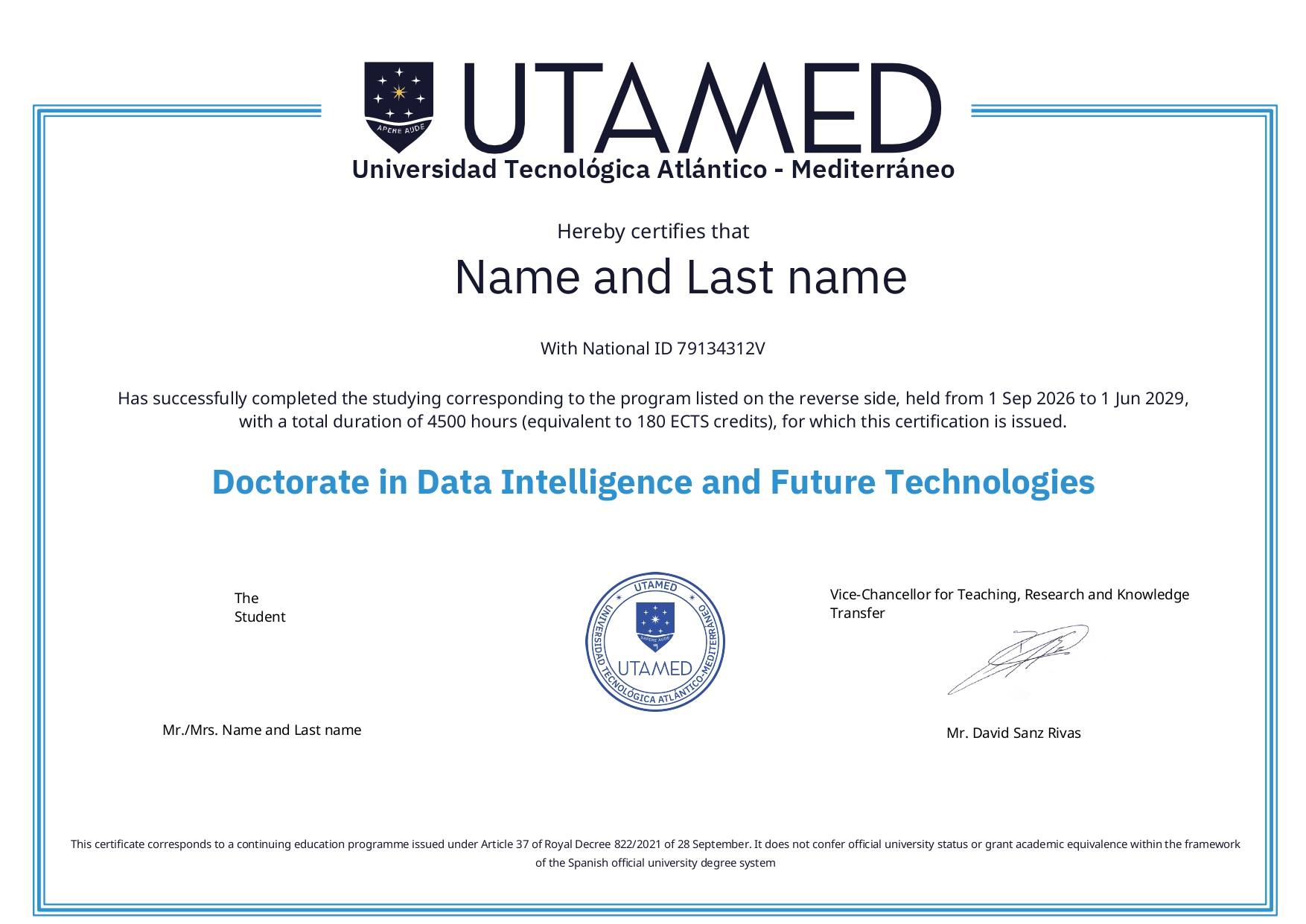
A three-year online doctorate focused on data intelligence and emerging technologies, developing advanced research, critical thinking, and interdisciplinary expertise. It prepares professionals to analyse complex systems, drive innovation, and generate impactful insights that support strategic decisions, digital transformation, and responsible technology use in evolving organisational and societal contexts.
A Next-Generation Doctorate from the University for the 21st Century
The Doctorate in Data Intelligence and Future Technologies is designed to develop advanced expertise in the strategic use of data and emerging technologies within organisational and societal contexts. The programme equips learners with strong research capabilities, theoretical depth, and practical insight to drive innovation, improve performance, and enable informed decision-making in complex environments.
Learners are prepared to contribute meaningfully to both academic and professional domains by conducting original research that explores the evolving role of data intelligence in digital transformation, governance, and future-focused technological change. The programme encourages critical thinking, interdisciplinary exploration, and the ability to challenge existing perspectives.
Eligibility
This doctoral programme is designed for experienced professionals and academic leaders who wish to advance their expertise in data intelligence and future technologies. It is suitable for individuals from diverse backgrounds, including technology leadership, data science, research, consulting, and academia, who are ready to undertake rigorous doctoral-level research. The programme seeks candidates with strong professional experience, analytical thinking, and a clear commitment to exploring how data and emerging technologies can be applied to solve complex organisational and societal challenges.
Entry Requirements
Applicants must hold a Bachelor’s degree from a recognised university. Please note that possession of a Master’s degree alone, without a preceding Bachelor’s qualification, does not satisfy the eligibility criteria for admission to this doctoral programme. Ideally, candidates should hold both a Bachelor’s and a Master’s degree from recognised institutions to ensure they meet the expected academic foundation for doctoral-level study.
This module will equip the research scholars with the knowledge and understanding about the designs and conduct of scientific research. It will help in critically examining research paradigms, methodological approaches, and ethical considerations which will enable the scholars to understand the difference between research designs. The students will develop an ability to appraise the rigour and limitations of diverse methodologies, while synthesising insights from published literature to design a vision for their respective research work in the field. The module will emphasize on the importance of ethical practices and quality assurance to generate a remarkable research work.
Learning Outcomes
By completing this module, you will:
LO1: Demonstrate a critical understanding of research design fundamentals and methodological approaches, while critically assessing the use, strengths, and limitations of quantitative research in varied domains.
LO2: Critically analyse qualitative and mixed-method research approaches, including their application in varied domains, with attention to data collection, analysis, and reporting techniques.
LO3: Demonstrate advanced ability in conducting and evaluating secondary research through scoping reviews, systematic reviews, and meta-analyses, ensuring rigor and transparency throughout the process.
LO4: Critically evaluate principles of research quality, related majorly to validity, reliability, and ethics, and demonstrate an understanding of their application to rigorous and ethical research.
Strategic Data Intelligence and Organisational Performance
This module examines how organisations leverage data intelligence as a strategic resource to enhance performance and competitive advantage. It critically explores the role of data in shaping organisational strategy, decision-making, and value creation. Drawing on contemporary research, learners analyse how data capabilities influence organisational effectiveness, innovation, and operational efficiency. The module emphasises the development of research-informed frameworks for evaluating data-driven performance and organisational transformation, enabling learners to contribute to both academic and practical debates in the field.
Learning Outcomes
By completing this module, you will:
LO1: Demonstrate a critical understanding of the role of data intelligence in driving organisational performance and strategic outcomes.
LO2: Critically evaluate frameworks and models linking data capabilities to competitive advantage.
LO3: Synthesize research on data-driven organisations to inform strategic decision-making.
LO4: Develop research-informed approaches to enhancing organisational performance through data intelligence.
Digital Transformation and Technology-Driven Business Models
This module critically examines how digital technologies and data intelligence reshape organisational structures, processes, and business models. It explores the strategic and organisational dimensions of digital transformation, focusing on how firms create, deliver, and capture value in technology-driven environments. Learners engage with research on platform economies, digital ecosystems, and innovation strategies, analysing how organisations adapt to and leverage digital disruption. The module emphasises the development of research-informed insights into technology-enabled business model innovation and transformation.
Learning Outcomes
By completing this module, you will:
LO1:Criticallyanalysedigitaltransformationprocessesandtheirimpacton organisational structures and business models.
LO2: Critically evaluate technology-driven business models and value creation mechanisms.
LO3: Synthesize research on digital ecosystems and platform-based strategies.
LO4: Develop research-informed approaches to digital transformation and innovation.
Data Governance, Ethics and Policy
This module provides a critical examination of the governance, ethical, and policy dimensions of data and emerging technologies. It explores how organisations manage data responsibly within complex regulatory and societal environments. Learners analyse frameworks for data governance, privacy, accountability, and ethical decision-making, drawing on interdisciplinary research. The module emphasises the role of policy and governance in ensuring responsible and sustainable use of data, equipping learners to contribute to organisational and societal debates on data ethics and regulation.
LO2: Evaluate ethical challenges associated with data use and algorithmic decision-making.
LO3: Critically assess regulatory and policy environments shaping data practices.
LO4: Develop research-informed perspectives on responsible data governance and ethics.
Future Technologies and Organisational Strategy
This module explores the strategic implications of emerging and future technologies for organisations operating in dynamic and uncertain environments. It examines how technologies such as AI, automation, and digital platforms influence long-term strategic planning and organisational adaptability. Drawing on foresight and strategic management research, learners critically evaluate how organisations anticipate, respond to, and shape technological change. The module emphasises the development of research-informed strategic perspectives that enable organisations to navigate disruption and harness emerging technologies for sustainable growth.
Learning Outcomes
By completing this module, you will:
LO1. Critically evaluate the impact of emerging and future technologies on organisational strategy and competitiveness.
LO2. Critically analyse strategic responses to technological disruption using research-informed frameworks.
LO3. Apply foresight and scenario planning approaches to future technology trends.
LO4. Develop research-informed strategies for integrating emerging and future technologies into organisational contexts.
Doctoral Research Proposal
This module develops skills for expertise in conceptualising, designing, and executing applied research. It focuses on the critical examination of research problems to uncover gaps in theory, practice, and policy. Scholars will learn to conduct rigorous literature reviews to justify the significance of their research ideas and to build conceptual frameworks that inform research aims, questions, and objectives. The module also supports the evaluation and selection of suitable qualitative, quantitative, and mixed methods approaches, with an emphasis on methodological rigor and feasibility. In addition, students will explore effective strategies for planning and managing applied research projects, while addressing practical constraints and identifying appropriate ways to communicate research findings.
Learning Outcomes
By completing this module, you will:
LO1: Critically examine applied research problems to formulate clear and researchable questions that address gaps in theory, practice, or policy.
LO2: Undertake a literature review process to establish the significance of a study and construct conceptual frameworks that guide research aims, questions, and objectives.
LO3: Demonstrate a critical understanding of choosing appropriate research designs and methodologies for the identified research, including qualitative, quantitative, and mixed methods approaches, ensuring rigor and practical feasibility.
LO4: Develop well-structured and original research proposals that demonstrate strong methodological alignment and meaningful theoretical contribution.
Your Success Story Starts Here
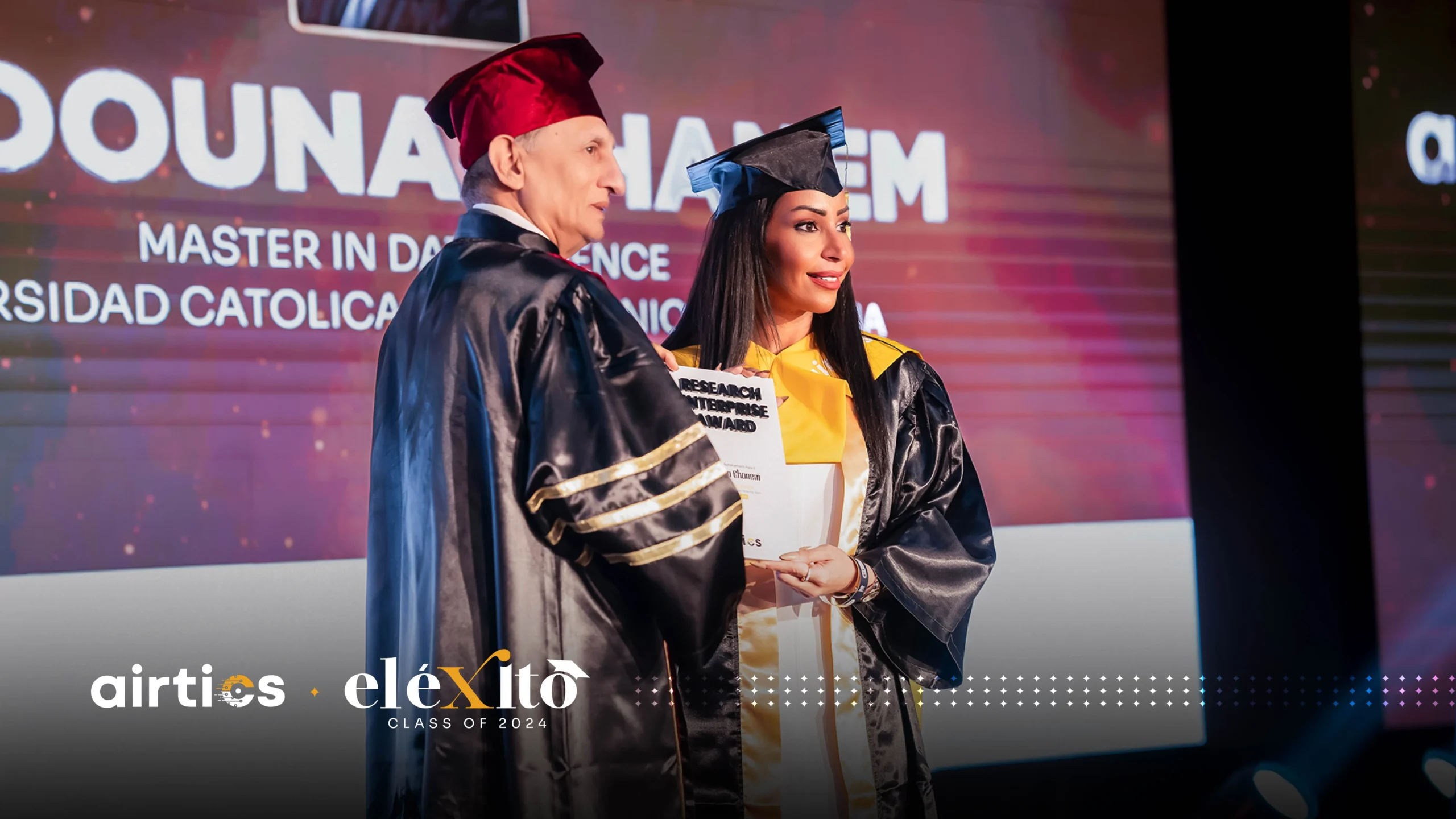
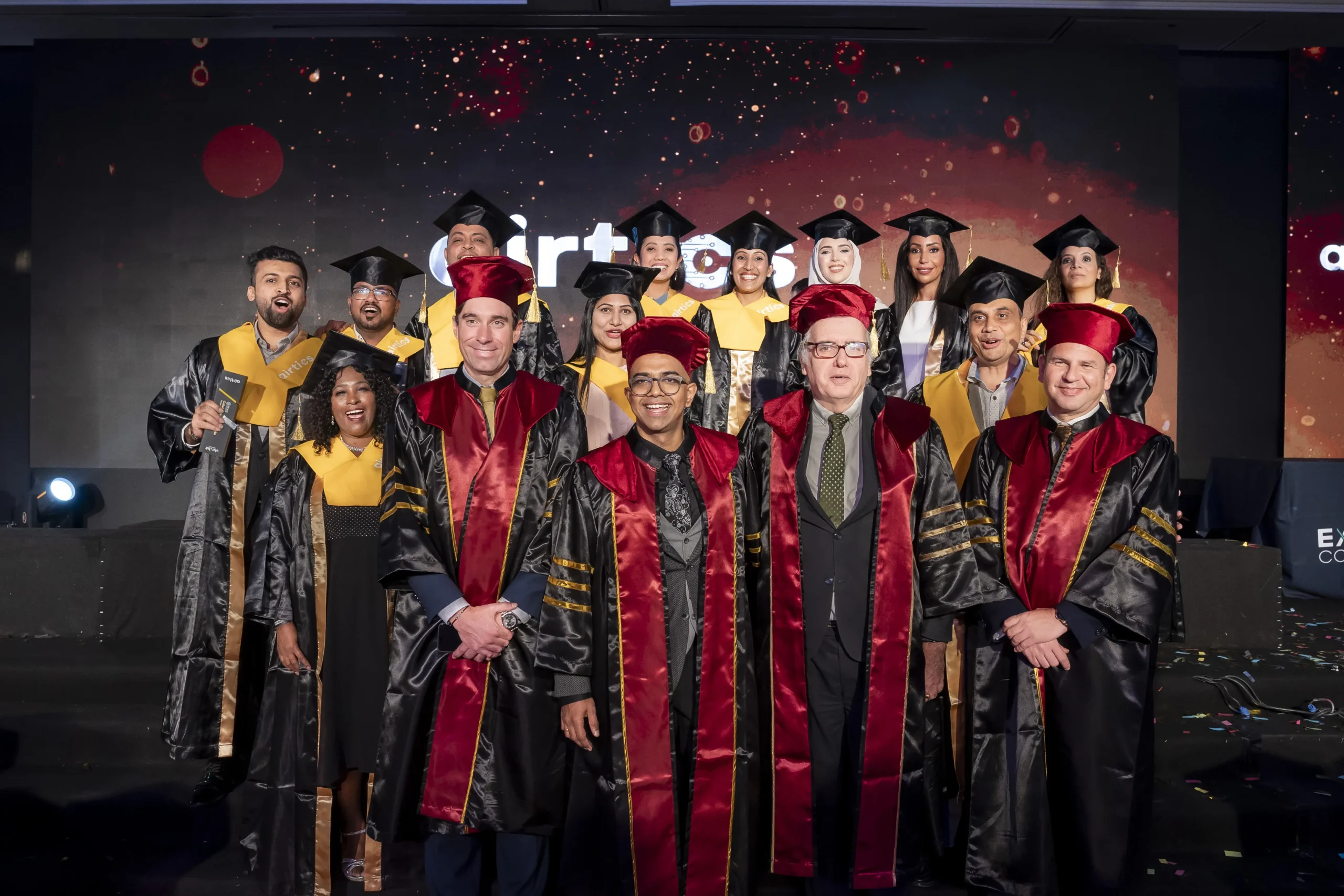
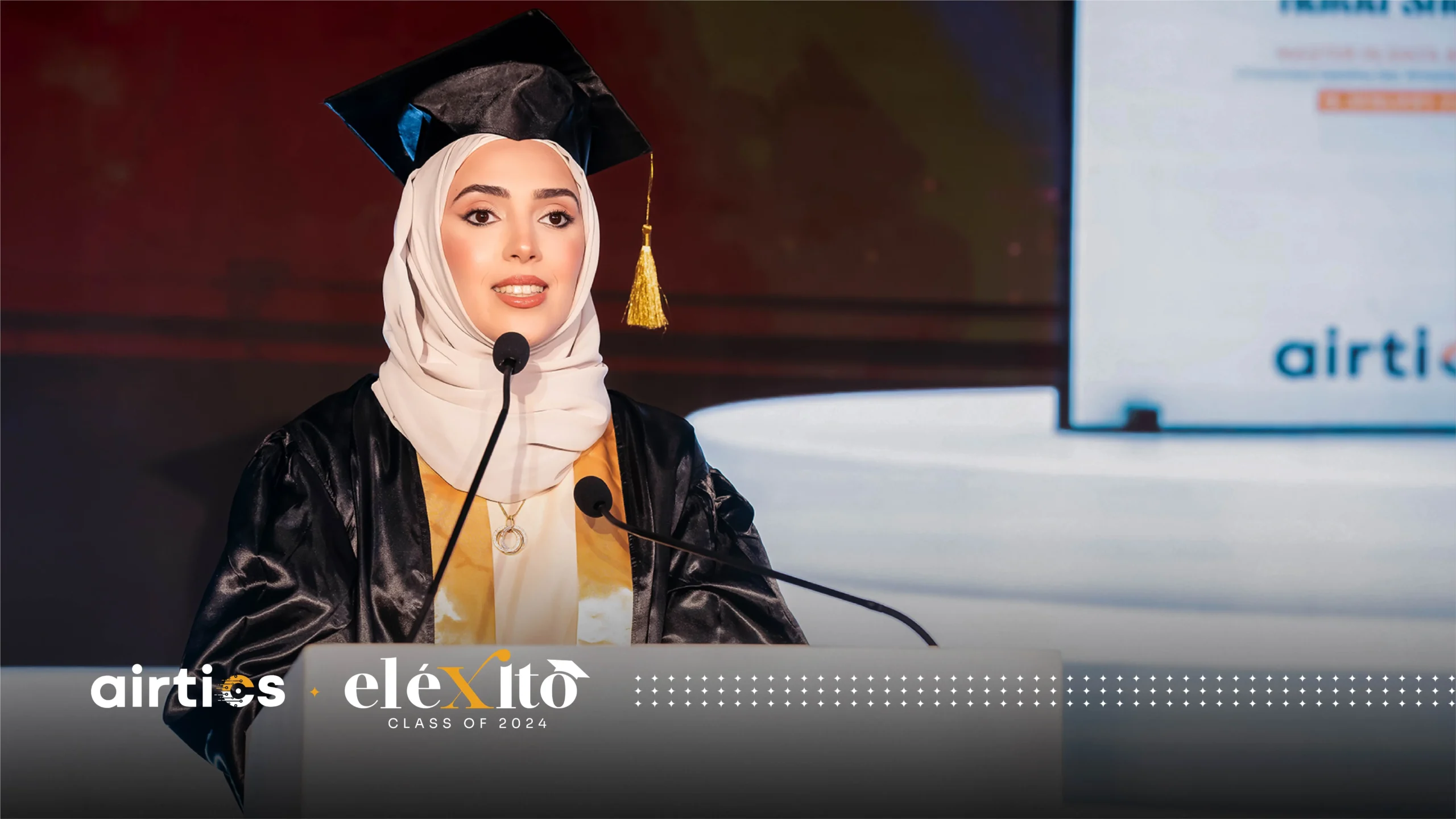
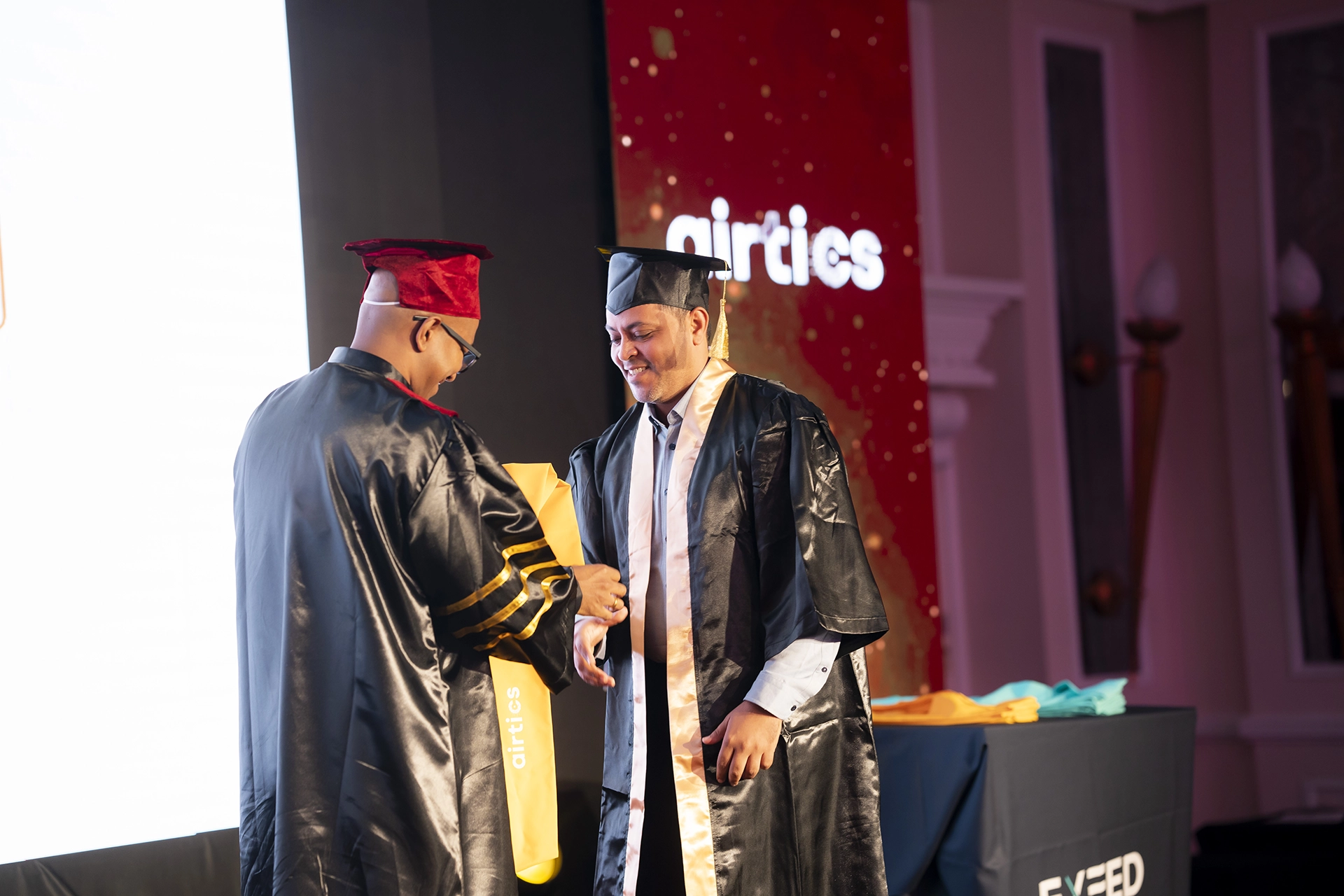
Every image here tells a story of transformation, dedication, and success. Be the next to wear the cap and gown. Enroll today, and let your journey begin.
Every student has a story—of ambition, of challenge, of growth. In their own words, they share how Airtics became a turning point in their learning journey and helped them move closer to their goals.
Pemsith Ravi
Thanks to the support of this prestigious institution – airtics. I was able to earn a master’s degree in data science. I had a fantastic educational experience there, and they possess a highly competent and knowledgeable lecturing panel. Anyone looking to make it major in the data science field should enrol in their course.
Verified Review
Zeeshan Ali
Airtics offers a truly transformative learning experience. The course content is up-to-date, the mentors are incredibly supportive, and the flexibility of the online platform made it easy to balance with my work. Highly recommended for anyone looking to upskill!
Verified Review
Aalaa Shbair
The experience at Airtics College has been tremendous for me. It has illuminated my path and opened the way for me to become a developer of solutions in my workplace. I cherish every moment of this online learning experience and the supportive community of instructors and peers.
Verified Review
Muhammad Fatouh
Airtics offered a great platform that allowed me to take a meaningful step forward in data science while balancing my demanding job as a telecom engineer. If you have a busy schedule and struggle with work-life balance, I encourage you to find a flexible platform like Airtics to pursue your goals.
Verified Review
Al Tayyab Bakhsh
Coming from a non-technical background in marketing, switching to data science was challenging. The faculty at Airtics was incredibly helpful, especially my mentor Miss Piyali, who guided me with patience every step of the way. Their mentorship gave me the confidence to succeed.
Verified Review
Dilnawaz Qureshi
Airtics provides an impressive curriculum for Python Full Stack development that is both well-structured and up-to-date. This comprehensive approach ensures we acquire a thorough understanding of the field and are well-prepared for real-world challenges.
Verified Review
Charuhaas Shenoy
Airtics offers a truly transformative learning experience. The course content is up-to-date, the mentors are incredibly supportive, and the flexibility of the online platform made it easy to balance with my work. Highly recommended for anyone looking to upskill!
Verified Review
Madonna Ghanem
The resources provided by Airtics for AI and ML students are top-notch. The institute has a well-equipped virtual lab with the latest software, allowing us to experiment with complex algorithms. The online library offers a wide range of reference materials and research papers.
Verified Review
Dhruv Narse
Airtics provides a conducive learning environment for data analytics students. They have experienced faculty, and provide access to the latest software and tools used in the industry. This ensures that we are well-prepared for our future careers in the field.
Verified Review
What Our Students Say
Every student has a story—of ambition, of challenge, of growth. In their own words, they share how Airtics became a turning point in their learning journey and helped them move closer to their goals.
Pemsith Ravi
Thanks to the support of this prestigious institution – airtics. I was able to earn a master’s degree in data science. I had a fantastic educational experience there, and they possess a highly competent and knowledgeable lecturing panel. Anyone looking to make it major in the data science field should enrol in their course.
Verified Review
Zeeshan Ali
Airtics offers a truly transformative learning experience. The course content is up-to-date, the mentors are incredibly supportive, and the flexibility of the online platform made it easy to balance with my work. Highly recommended for anyone looking to upskill!
Verified Review
Aalaa Shbair
The experience at Airtics College has been tremendous for me. It has illuminated my path and opened the way for me to become a developer of solutions in my workplace. I cherish every moment of this online learning experience and the supportive community of instructors and peers.
Verified Review
Muhammad Fatouh
Airtics offered a great platform that allowed me to take a meaningful step forward in data science while balancing my demanding job as a telecom engineer. If you have a busy schedule and struggle with work-life balance, I encourage you to find a flexible platform like Airtics to pursue your goals.
Verified Review
Al Tayyab Bakhsh
Coming from a non-technical background in marketing, switching to data science was challenging. The faculty at Airtics was incredibly helpful, especially my mentor Miss Piyali, who guided me with patience every step of the way. Their mentorship gave me the confidence to succeed.
Verified Review
Dilnawaz Qureshi
Airtics provides an impressive curriculum for Python Full Stack development that is both well-structured and up-to-date. This comprehensive approach ensures we acquire a thorough understanding of the field and are well-prepared for real-world challenges.
Verified Review
Charuhaas Shenoy
Airtics offers a truly transformative learning experience. The course content is up-to-date, the mentors are incredibly supportive, and the flexibility of the online platform made it easy to balance with my work. Highly recommended for anyone looking to upskill!
Verified Review
Madonna Ghanem
The resources provided by Airtics for AI and ML students are top-notch. The institute has a well-equipped virtual lab with the latest software, allowing us to experiment with complex algorithms. The online library offers a wide range of reference materials and research papers.
Verified Review
Dhruv Narse
Airtics provides a conducive learning environment for data analytics students. They have experienced faculty, and provide access to the latest software and tools used in the industry. This ensures that we are well-prepared for our future careers in the field.
Verified Review
Learn from Industry Leaders & Experts
Learn from distinguished doctoral supervisors, industry leaders, and AI researchers from top organizations. Our world-class faculty combines advanced academic credentials with extensive industry experience, bringing cutting-edge research expertise and practical insights to guide your doctoral journey in AI and technology management.
Dr. Abdullah El-Nokiti
Professor
Dr. Mohd Merajuddin Inamdar
Professor
Dr. Madhavi Vaidya
Professor
Dr. Poonam Chaudhari
Professor
Dr. Anup Kumar Maurya
Professor
Dr. Milan Amrutkumar Joshi
Industry Expert
Dr. Mohamed Elhaw
Industry Expert - Strategic HR & Organizational Development
Dr. Pradeep Tiwari
Industry Expert - AI Research & Generative AI Specialist
Dr. Nabil Beshara
Industry Expert - Operations Management & Strategic Planning
Dr. Damilare Peter Oyinloye
Industry Expert - Blockchain Technologies & Information Security
Global Student Community
Students from 60+ Countries Worldwide
Frequently Asked Questions
Find answers to common questions about our Advanced Program in Data Science. Learn about program details, requirements, and what to expect from this 6-month certification course.
What are the entry requirements for the Doctorate in AI and Technology Management?
Applicants need a second-class Master’s degree (or internationally recognized equivalent) plus minimum 3 years senior-level IT experience. International students must demonstrate English proficiency through IELTS 7.0 (minimum 7.0 in writing) or equivalent educational background in English.
How long does the program take to complete?
The program is designed as a 36-month (3-year) doctoral journey with 180 total credits. Year 1 focuses on research methods and core modules, Year 2 on proposal defense and thesis development, and Year 3 on dissertation completion and defense.
What learning format does the program offer?
The program uses a blended learning approach, combining online coursework, virtual seminars, and intensive research supervision sessions to accommodate working professionals while maintaining rigorous academic standards.
What qualifications will I receive upon graduation?
You’ll earn three international qualifications: a Doctoral Degree and Master of Research in Artificial intelligence and Technology Management from Guglielmo Marconi University (Italy) and CMI Certification from the Chartered Management Institute.
Can I pursue this doctorate while working full-time?
Yes, the program is specifically designed for experienced professionals. The flexible blended learning format allows you to balance doctoral studies with senior-level career responsibilities.
What research areas can I focus on?
Research areas include AI ethics and governance, digital transformation leadership, sustainable technology innovation, disruptive innovation theory, and technology management strategies across various industry sectors.
Is there recognition of prior learning available?
Yes, if you’ve completed appropriate doctoral-level modules in related subjects within the last 6 years, you may apply for credit transfer which could eliminate the need for certain program modules.
What support is provided during the research phase?
You’ll receive dedicated supervision from expert faculty, ongoing research meetings, academic seminar participation, and guidance through proposal defense, thesis writing, and final viva voce examination.
Still have questions?
If you have any other questions or need further information about our Advanced Program in Data Science, don’t hesitate to contact us. Our admissions team is here to help you take the next step in your data science career.